The Financial Crime Studio: Conversations from Zurich

What does it take to make financial crime compliance truly effective? How is AI transforming detection and investigations? And what role will human expertise play in the future?

Recorded at the Siron User Group Conference 2026 in Zurich, the Financial Crime Studio brings together industry experts and compliance leaders for candid conversations about the challenges, innovations, and decisions shaping the future of financial crime prevention.

Hosted by Oonagh van den Berg, CEO of Virtual Risk Solutions, the series explores fresh perspectives and practical insights from those working at the forefront of financial crime compliance.

Tone From the Top: What Actually Makes a Financial Crime Programme Work

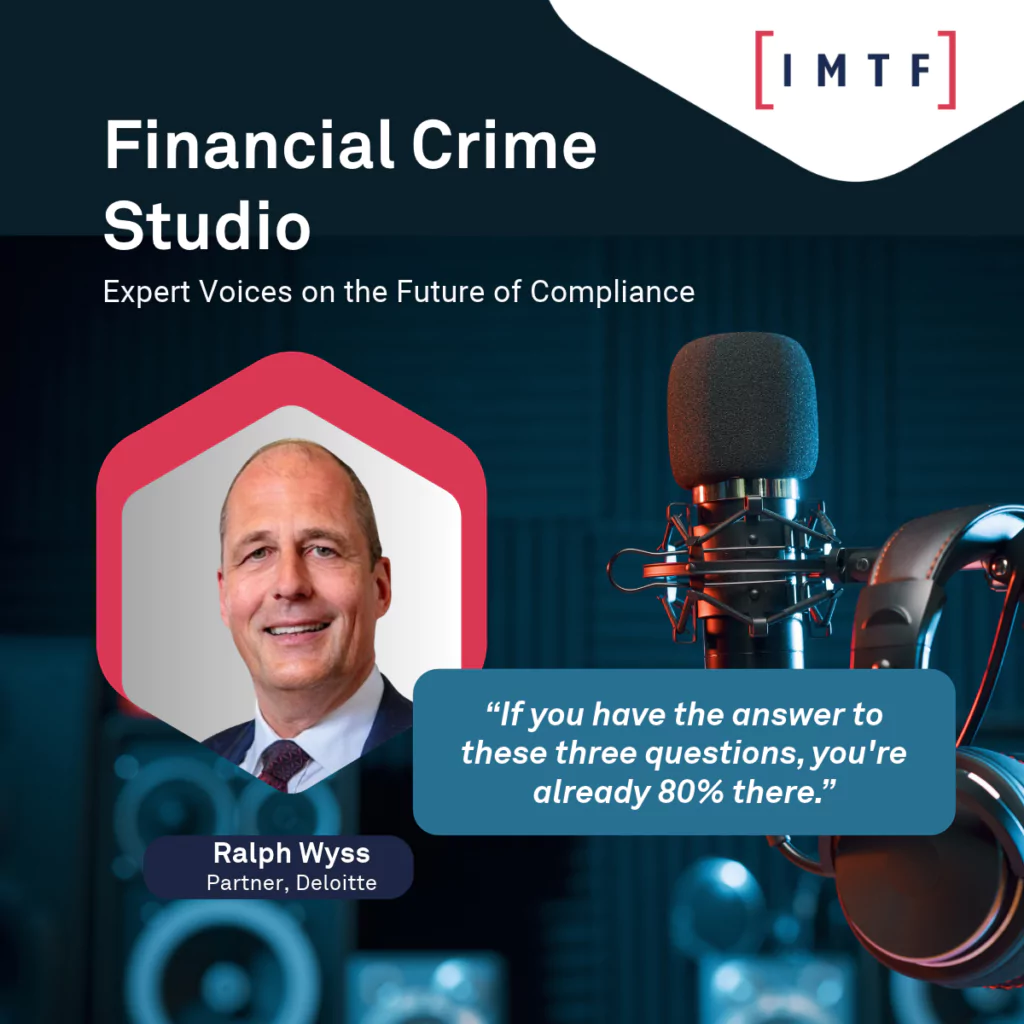
Ralph Wyss

Partner, Deloitte

What separates a truly effective financial crime programme from one that simply meets regulatory requirements?

Ralph Wyss explores why strong leadership, clear accountability, and a holistic, risk-based approach are essential to effective financial crime prevention, and why understanding your customer remains the foundation of it all.
Read the full conversation

Ralph Wyss

“A New Kind of Industrial Revolution”: AI, Human Judgment and the Future Compliance Team
Ingo Zentgraf - The Financial Crime Studio
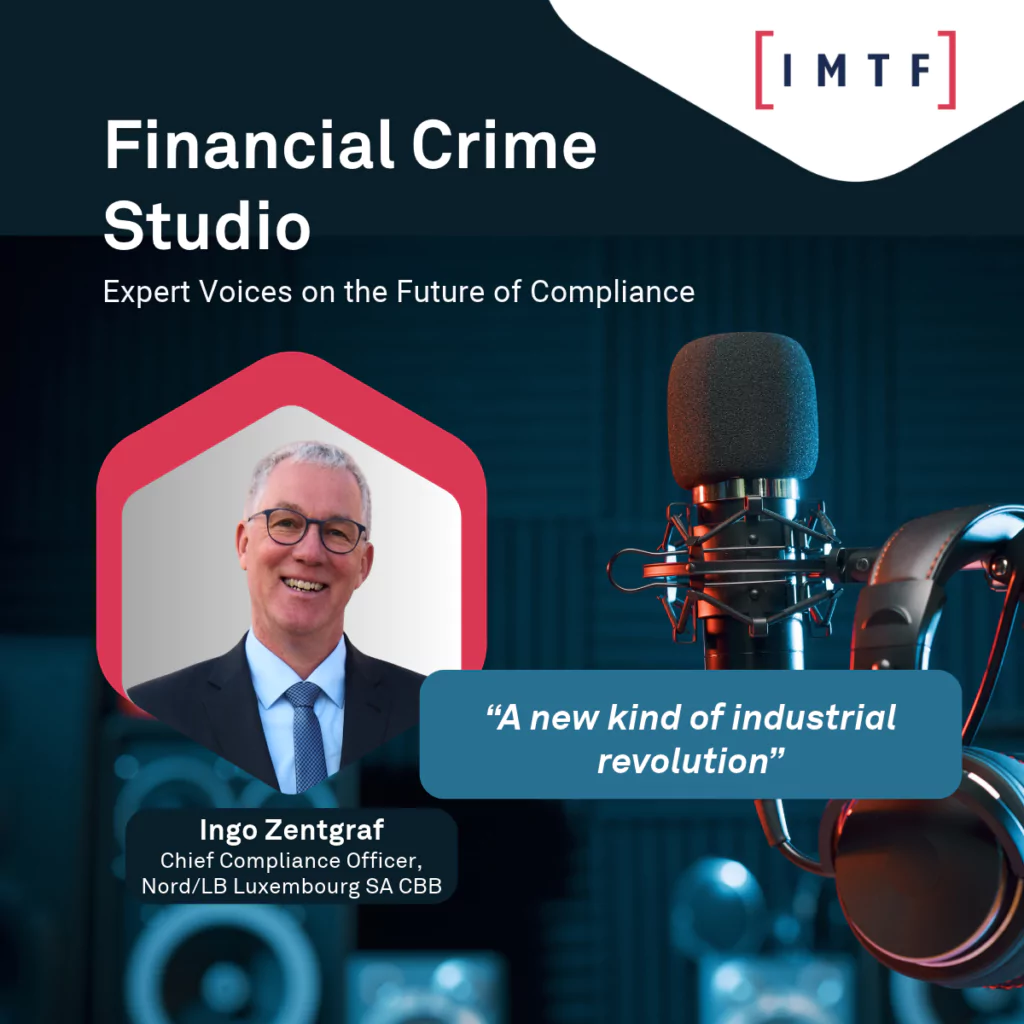
Ingo Zentgraf

Chief Compliance Officer, NORD/LB Luxembourg S.A. Covered Bond Bank

Is AI fundamentally changing the way compliance teams work? Ingo Zentgraf shares his perspective on the evolution of AI in financial crime compliance, from detection and investigations to decision support. He explores the opportunities of intelligent automation, the importance of connected data, and why human expertise, judgment, and accountability remain essential.

Read the full conversation

Compliant Is Not the Same as Effective: Rethinking the Financial Crime Programme

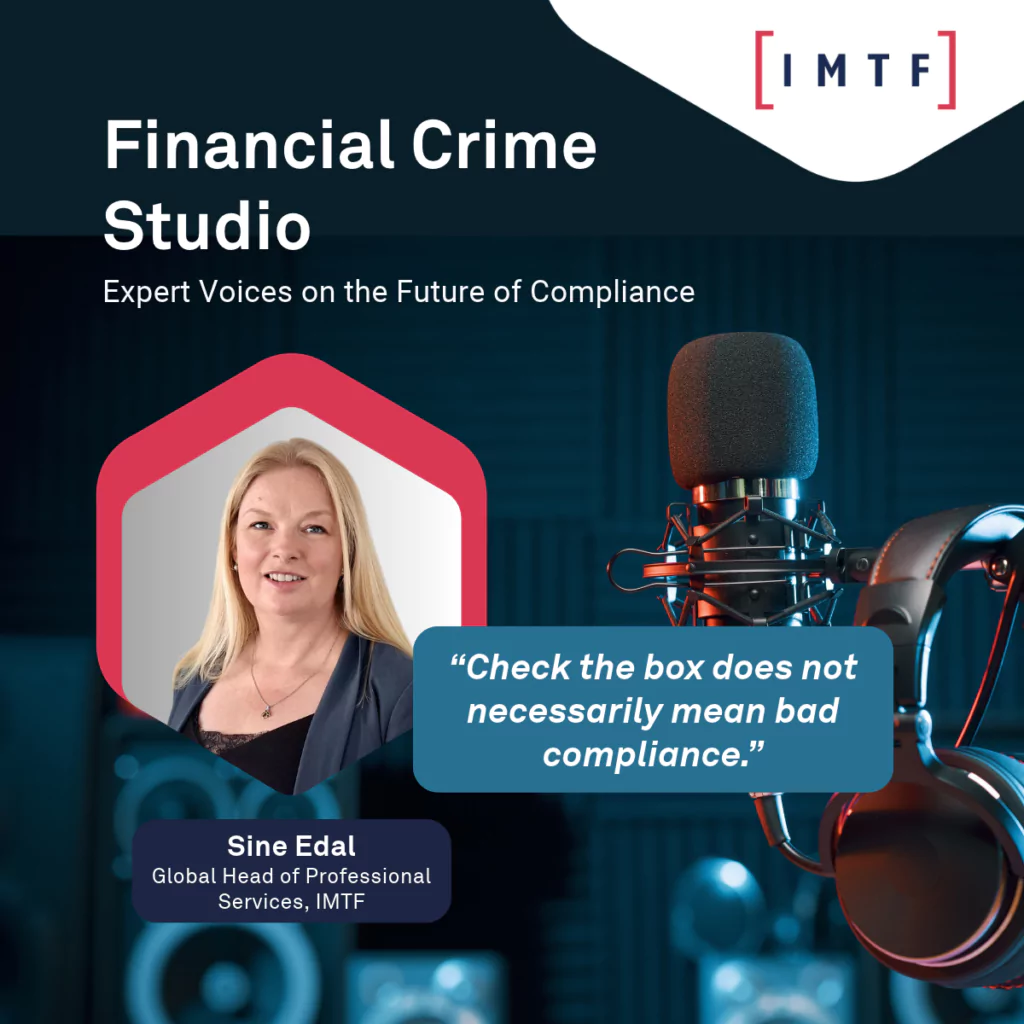
Sine Edal

Global Head of Professional Services, IMTF

Can a financial institution meet every regulatory requirement and still fail to detect financial crime?

Sine Edal challenges the industry’s reliance on process-driven compliance and alert-closure metrics. She explores why investigative thinking, connected intelligence, and a focus on meaningful outcomes are essential to moving beyond checkbox compliance.
Read the full conversation

Sine Edal - The Financial crime Studio

AI in Financial Crime: Detection First, But the Game Changer Is Bigger
Jean Voigt - The Financial Crime Studio
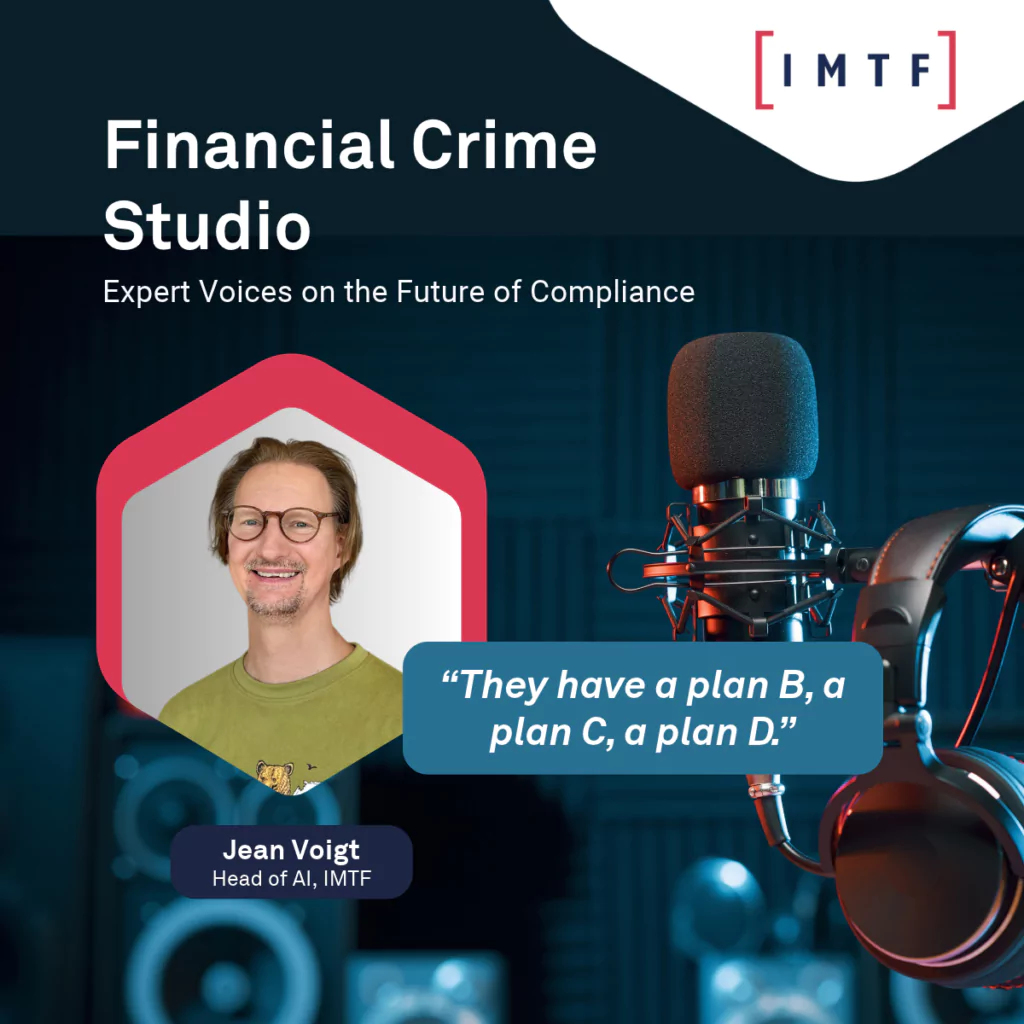
Jean Voigt

Head of AI, IMTF

As financial criminals adopt increasingly sophisticated technologies, how can compliance teams keep pace?

Jean Voigt explores where AI can deliver the greatest value, from more effective detection to agentic investigations and real-time intelligence. He also reflects on the need to rethink traditional compliance approaches in a world where criminals are constantly innovating.Is AI fundamentally changing the way compliance teams work?

Read the full conversation

Frequently Asked Questions

What is the Financial Crime Studio?

The Financial Crime Studio is an IMTF interview series featuring conversations with financial crime compliance experts, industry practitioners, and technology specialists. Recorded at the Siron® User Group Conference 2026 in Zurich, the series explores the challenges and innovations shaping financial crime prevention, including AI, compliance effectiveness, investigative practices, and regulatory developments. The conversations are hosted by Oonagh van den Berg, CEO of Virtual Risk Solutions.

How is artificial intelligence transforming financial crime compliance?

AI is helping financial institutions improve financial crime detection, identify complex patterns across large datasets, and streamline investigations. Technologies such as machine learning, behavioral analytics, and agentic AI can support compliance teams by connecting information, identifying relationships, and accelerating investigative work. In the Financial Crime Studio, experts including Jean Voigt and Ingo Zentgraf explore how AI is evolving from detection toward more sophisticated investigative support, while emphasizing the importance of human oversight and accountability.

What is the difference between regulatory compliance and effective financial crime prevention?

Regulatory compliance involves meeting applicable legal requirements, maintaining appropriate controls, and demonstrating that established procedures are followed. Effective financial crime prevention goes further by assessing whether those controls actually identify, investigate, and mitigate relevant risks.

In her Financial Crime Studio interview, Sine Edal discusses why meeting compliance targets and closing alerts does not necessarily mean that financial crime risks are being detected effectively. She highlights the importance of investigative thinking, connected intelligence, and meaningful outcomes.

Why is human judgment still important in AI-powered compliance?

AI can process large volumes of information, identify patterns, and support investigations, but financial crime compliance also requires contextual understanding, professional judgment, and accountability.

In his Financial Crime Studio conversation, Ingo Zentgraf explains why AI should be viewed as an enabler of compliance professionals rather than a replacement for their expertise. Human oversight remains particularly important for consequential compliance decisions and for evaluating AI-generated findings.

What makes an effective anti-financial crime compliance programme?

An effective anti-financial crime compliance programme combines strong leadership, clear accountability, a risk-based approach, appropriate technology, and a thorough understanding of customers and their activities.

In his Financial Crime Studio interview, Ralph Wyss emphasizes the importance of tone from the top, organizational responsibility, and understanding the origins and purpose of customer funds. Effective compliance depends not only on documented policies and procedures, but also on how consistently they are applied in practice.